

Wondering if your flooring is real hardwood? Knowing how to identify flooring material hardwood is essential for making informed decisions about repairs, treatments, or replacements. In this article, we’ll guide you through the key indicators to look for when determining if your flooring is genuine hardwood.
Key Takeaways
- Genuine hardwood flooring can be identified by unique wood grain patterns, square edges, and natural surface textures, distinguishing it from engineered or laminate options.
- The installation method, such as visible nail holes and the sound produced when tapped, can further indicate whether flooring is real hardwood or an imitation.
- Real hardwood offers durability, aesthetic appeal, and can significantly increase a home’s resale value, while engineered wood provides moisture resistance and cost-effective benefits.
Inspect the Wood Grain
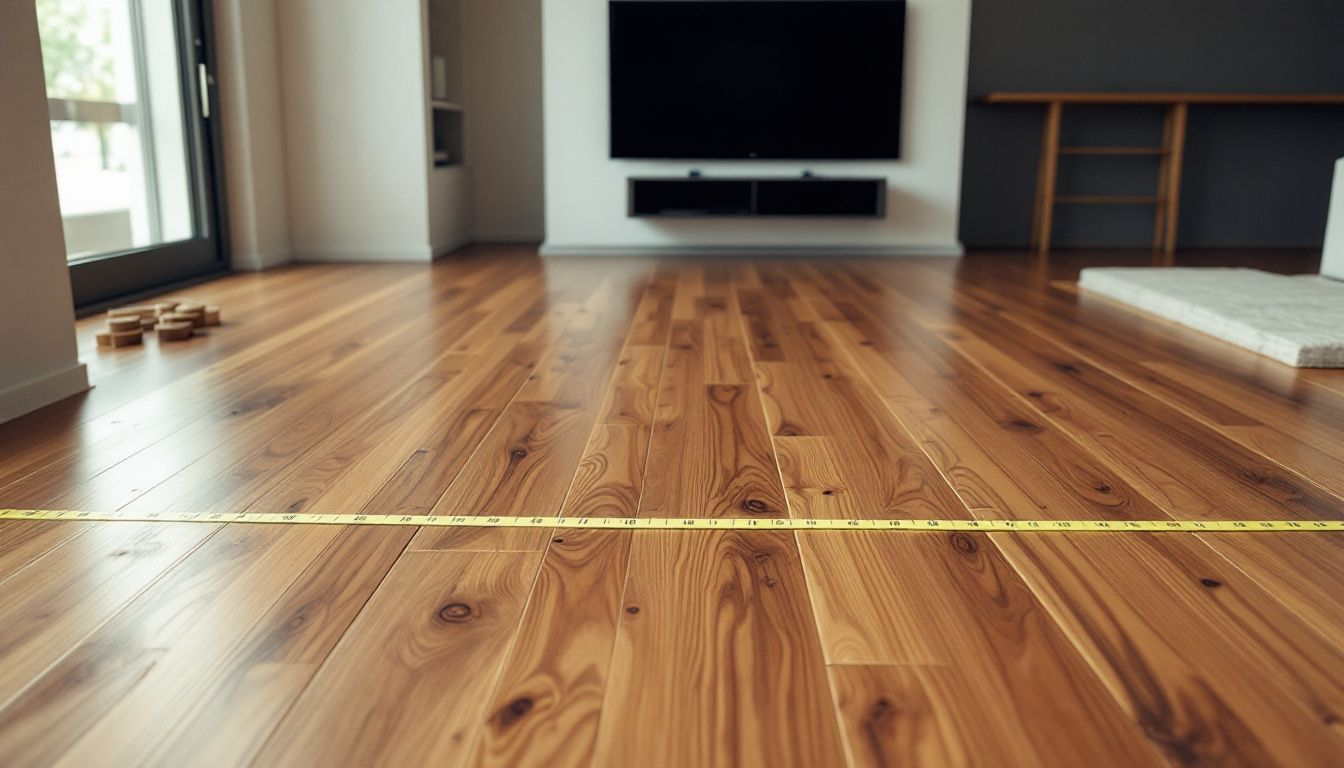
The first step in identifying hardwood flooring is to inspect the wood grain. Genuine hardwood floors showcase distinct patterns that vary from one plank to another, celebrating the natural variations and imperfections that come with real wood. These unique grain patterns are a hallmark of authentic hardwood and contribute to its timeless elegance and rustic charm.
On the other hand, if you notice that the wood grain appears overly uniform and consistent across multiple planks, it might be a sign that you’re looking at engineered wood or laminate flooring. These materials often mimic the appearance of real wood but lack the natural beauty and variation found in genuine hardwood. Careful examination of the grain pattern can reveal whether your flooring is genuine hardwood or a convincing imitation.
Check the Edges and Joints
Another telltale sign of genuine hardwood flooring lies in the edges and joints of the planks. Authentic hardwood floors often feature square edges or tongue-and-groove designs that create a seamless, tight fit between planks. These edge designs not only enhance the overall aesthetic appeal but also contribute to the durability and stability of the floor.
In contrast, laminate and vinyl floors typically have rounded or beveled edges, which can make the installation process easier but also serve as a distinguishing feature from real hardwood. Examining the edges and joints closely can provide valuable insights into whether you’re dealing with authentic hardwood or another material.
Feel the Surface Texture
The surface texture of your flooring can also provide important clues about its authenticity. Genuine hardwood floors feel solid and warm to the touch, with distinct textures and natural variations that add to their charm. This tactile experience is one of the reasons why real hardwood is so highly prized in interior design.
In contrast, laminate flooring tends to feel thinner and more hollow, lacking the warmth and solidity of real hardwood. This difference in texture can be quite noticeable, especially when you walk barefoot across the floor. Feeling the surface texture can further confirm whether your flooring is genuine hardwood or an imitation.
Look for Nail Holes or Staples
Installation methods can also reveal whether your flooring is genuine hardwood. Real hardwood floors are typically installed using nails or staples, which may leave visible marks on the surface of the planks. These nail holes or staples are a common characteristic of authentic hardwood flooring and can often be found along the edges of the planks.
In contrast, laminate flooring usually employs a click-lock system that allows the planks to snap together without the need for nails or staples. This installation method is convenient and quick but also serves as an indicator that the flooring is not genuine hardwood. Looking for nail holes or staples can provide additional evidence for identification.
Test the Sound of the Floor
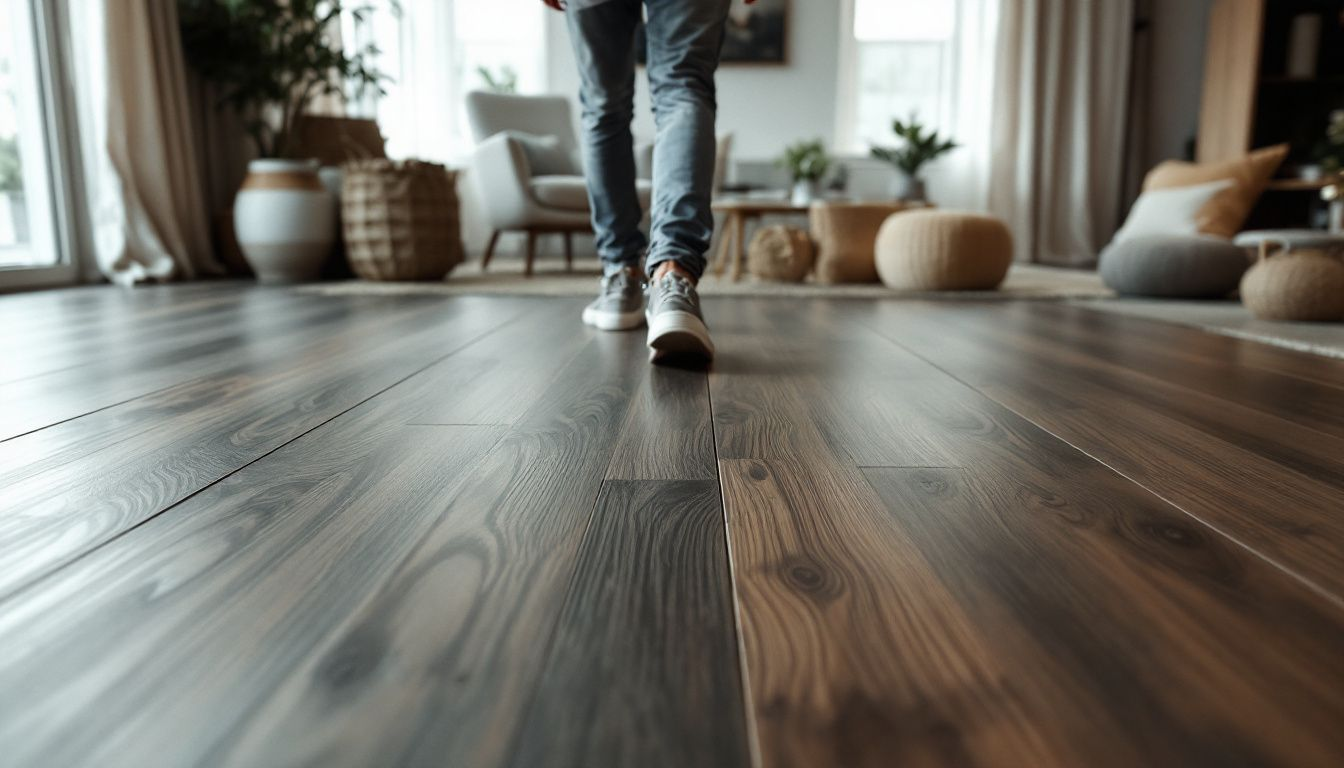
The sound that your flooring makes when tapped can also help you determine its authenticity. Genuine hardwood flooring generates a deep and resonant sound when tapped, reflecting the solid construction and density of the material. This rich, full sound is a reassuring indicator that you’re dealing with real hardwood floors.
On the other hand, laminate flooring produces a lighter and more hollow sound, which can be quite distinct from the resonant tones of genuine hardwood. Testing the sound of the floor can offer further insights into the type of flooring material and help distinguish between hardwood and alternatives.
Examine the Underside
Taking a peek at the underside of a plank can also provide valuable information about the flooring material. Solid wood construction indicates that the flooring is likely to be real hardwood. This type of construction showcases the natural beauty and durability of solid hardwood, making it a highly desirable option for many homeowners.
In contrast, layered construction suggests that the flooring is engineered wood, which typically features a veneer of real hardwood over multiple layers of plywood or fiberboard. While engineered wood offers some of the aesthetic appeal of real hardwood, it is not the same as solid wood. Examining the underside of a plank can provide a clearer understanding of the flooring’s composition and authenticity.
Consult a Flooring Professional
If you’re still unsure about the type of flooring you have, consulting a flooring professional can provide you with accurate identification and peace of mind. Flooring experts have the knowledge and experience to distinguish between different types of flooring materials and can offer reliable guidance on maintenance and care.
Consulting a flooring professional ensures you receive expert guidance on your flooring options, helping you make informed decisions about the right choice for your home. Whether you’re considering a new installation or just want to confirm the type of existing flooring, a professional consultation can be invaluable.
Benefits of Real Hardwood Floors
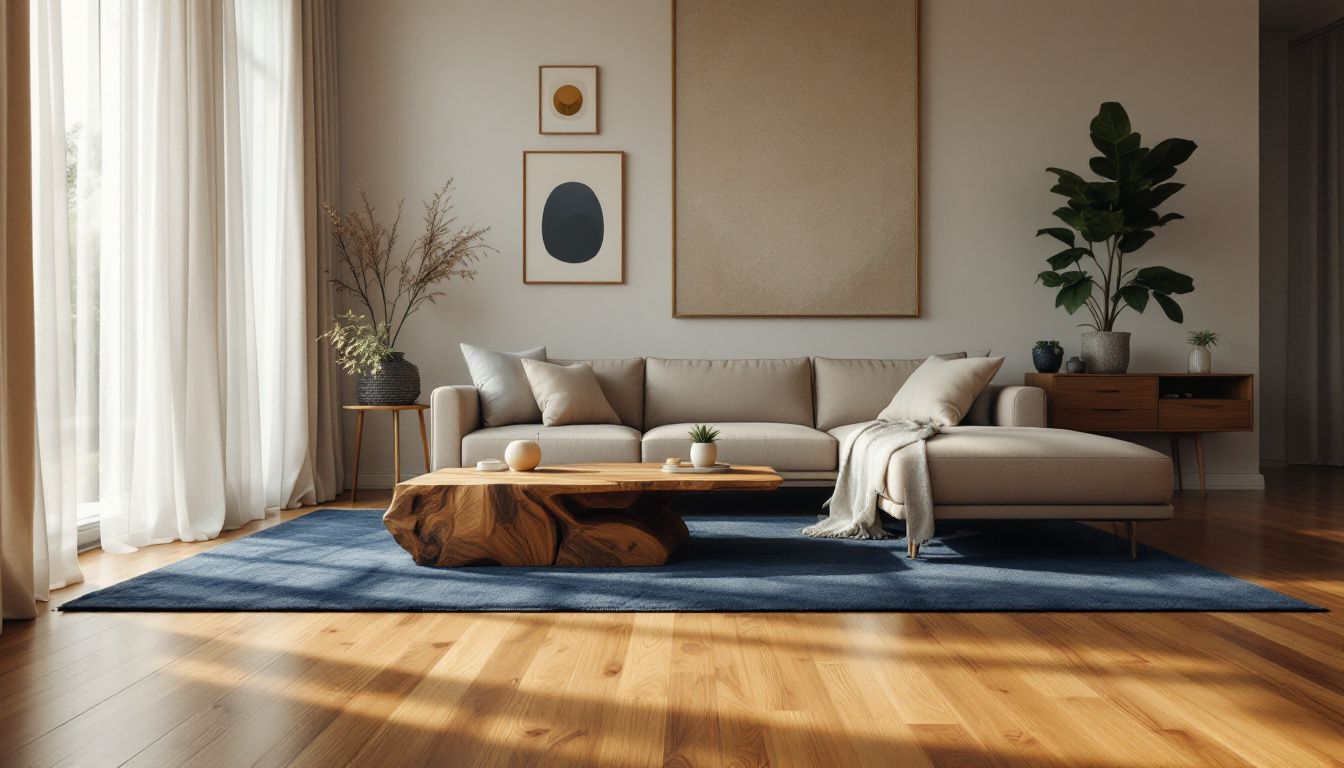
Real hardwood floors offer numerous advantages that make them a popular choice among homeowners. One of the most significant benefits is their durability. Hardwood floors are highly durable and, with proper care, can last for decades, showing minimal wear over time. This longevity makes hardwood flooring a cost-effective investment for your home.
Another key advantage of hardwood flooring is its aesthetic appeal. The unique grain patterns and warm tones of hardwood enhance the overall design of a home, offering extensive design flexibility. Whether you prefer a modern, rustic, or traditional look, hardwood floors can complement any style and add a touch of elegance to your space.
Additionally, installing hardwood floors can significantly raise a home’s resale value, making it more attractive to potential buyers. The timeless beauty and durability of hardwood flooring are highly desirable features that can increase the overall value of your property.
Key Characteristics of Engineered Wood Flooring
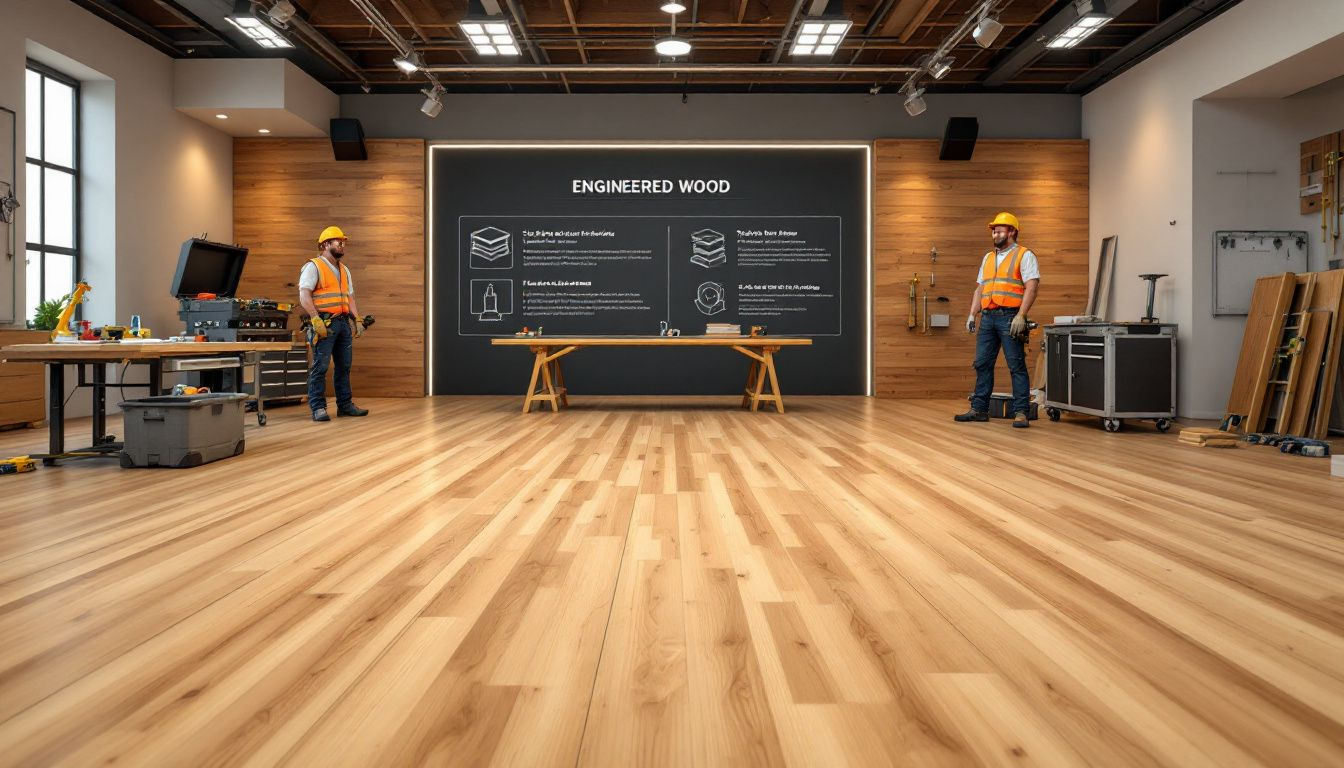
Engineered wood flooring is a popular alternative to solid hardwood, offering several key characteristics that make it a practical choice for many homeowners. Engineered hardwood is composed of multiple layers of plywood topped with a veneer of real hardwood, which provides the appearance of solid wood while offering enhanced stability.
One of the main advantages of engineered wood flooring is its moisture resistance. The layered construction of engineered wood reduces the chances of warping and splitting when exposed to moisture, making it a suitable option for areas with higher humidity levels. This moisture resistance is particularly beneficial in kitchens, bathrooms, and basements where solid hardwood might not be the best choice.
However, it’s important to note that engineered wood floors typically have a shorter lifespan compared to solid hardwood. While solid hardwood can last from 30 to over 100 years, engineered wood generally lasts between 20 to 30 years. The top veneer of engineered hardwood can typically be sanded down once or twice, depending on its thickness, which limits the number of times it can be refinished.
Despite these limitations, engineered wood remains a durable and cost-effective flooring option for many homeowners.
Common Misconceptions About Hardwood Floors
There are several common misconceptions about hardwood flooring that can deter homeowners from choosing this beautiful and durable option. One of the most prevalent myths is that hardwood flooring is challenging to maintain. In reality, hardwood floors require only basic care, such as regular sweeping and occasional mopping, to keep them looking their best. With proper maintenance, hardwood floors can remain stunning for decades.
Another misconception is that hardwood floors are inherently slippery, which can be a concern for families with young children or elderly individuals. However, advancements in flooring technology have introduced textured options that provide additional traction, reducing the risk of slips and falls. Additionally, modern hardwood flooring solutions have significantly reduced the noise associated with walking on hardwood floors, making them a quieter option than many people believe.
Identifying Different Wood Species
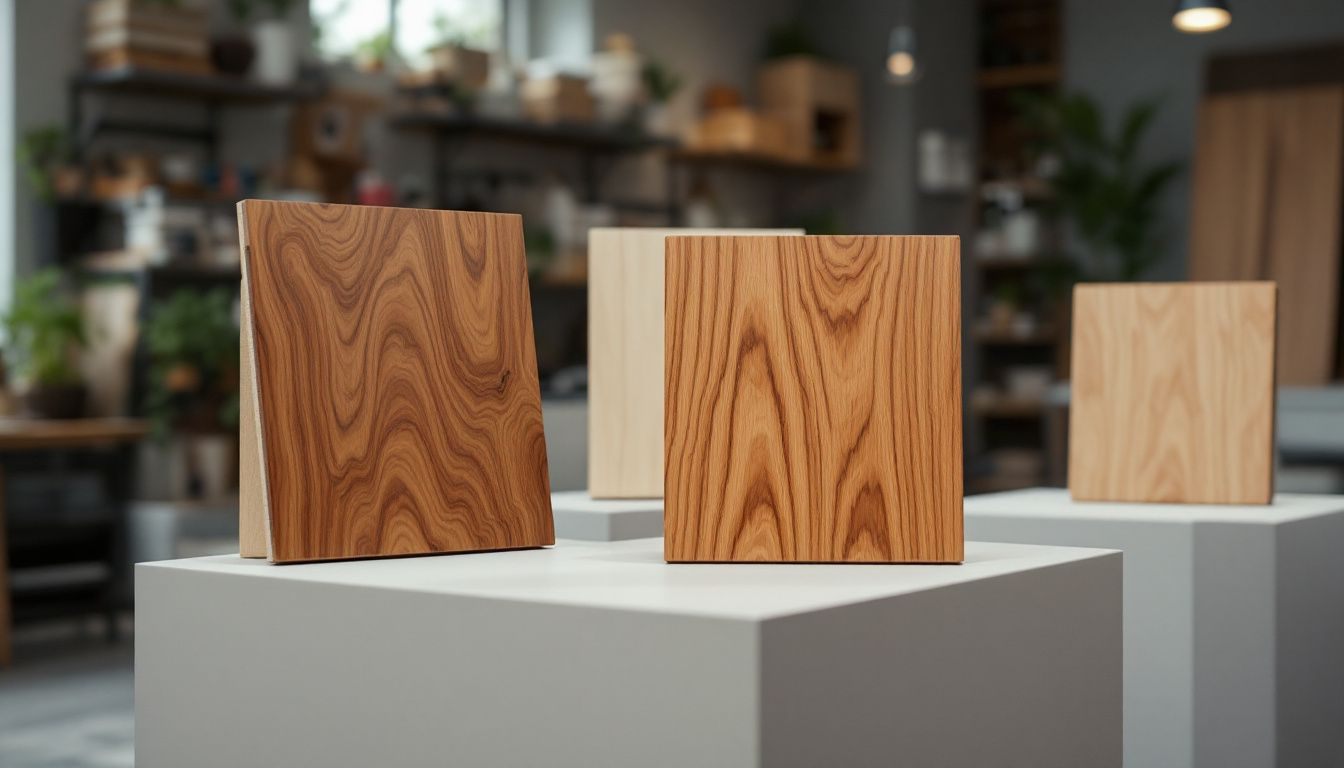
Understanding the characteristics of different wood species can help you choose the right hardwood flooring for your home. Oak is one of the most popular choices, known for its prominent grain and warm color tones. This versatile wood species complements various interior styles and is highly durable.
Maple wood is another excellent option, characterized by its smooth surface and light, creamy hue. This natural wood species is often chosen for its versatility and ability to brighten up a space.
Cherry wood, on the other hand, develops a rich reddish-brown color that deepens over time, adding a touch of elegance and warmth to any room.
For those seeking a luxurious look, walnut flooring is known for its dark brown shades and intricate grain patterns, making it a stunning choice for high-end interiors. Hickory is valued for its strength and showcases striking color variations and bold grain, adding a unique character to any space.
By accurately identifying different wood species, you can select the flooring that best suits your aesthetic and functional needs.
Environmental Impact of Hardwood vs. Alternatives
When considering the environmental impact of hardwood flooring versus alternatives, it’s essential to look at sustainability and material usage. When sourced sustainably, hardwood flooring is an eco-friendly material that reduces environmental impact. Sustainable forestry practices ensure that hardwood is harvested responsibly, promoting the health of forest ecosystems.
Engineered hardwood uses less solid wood by incorporating a top layer of hardwood veneer over layers of plywood or fiberboard, effectively reducing raw wood consumption. This makes engineered wood a more sustainable option in terms of wood usage while still providing the aesthetic appeal of real hardwood.
Additionally, hardwood flooring contributes to improved indoor air quality as it does not trap dust or allergens like carpets do, making it a healthier choice for indoor environments. Overall, hardwood flooring is a more eco-friendly option when considering sustainable sourcing and its impact on indoor air quality compared to alternatives like laminate and vinyl.
Summary
As we conclude our journey through the world of hardwood flooring, it’s clear that identifying and appreciating genuine hardwood floors involves a combination of careful observation and expert knowledge. By inspecting the wood grain, checking the edges and joints, feeling the surface texture, looking for nail holes or staples, testing the sound of the floor, and examining the underside, you can confidently determine whether your flooring is real hardwood.
The benefits of real hardwood floors, including their durability, aesthetic appeal, and ability to increase home value, make them a worthwhile investment. Understanding the key characteristics of engineered wood flooring and debunking common misconceptions can also help you make informed decisions about your flooring options. Whether you’re choosing oak, maple, cherry, walnut, or hickory, the natural beauty and timeless elegance of hardwood flooring will undoubtedly enhance your living space.
Frequently Asked Questions
How to tell the difference between laminate and engineered hardwood?
You can distinguish laminate from engineered hardwood by noting that laminate features a durable wear layer on top of synthetic materials, while engineered hardwood is constructed entirely from real wood with a plywood base layer. Understanding these differences will help you make an informed choice for your flooring needs.
How do I tell what material my floor is?
To identify your floor material, look for unique variations in grain and knots that indicate natural wood, while repeating patterns suggest laminate or vinyl. This observation will help you determine the type of flooring you have.
How does engineered wood flooring differ from solid hardwood?
Engineered wood flooring is more moisture-resistant and stable due to its layered construction, while solid hardwood offers greater longevity and more refinishing options. Ultimately, your choice should depend on your specific needs for durability and maintenance.
Are hardwood floors difficult to maintain?
Hardwood floors are not difficult to maintain; regular sweeping and occasional mopping are usually all that’s needed to keep them in excellent condition.
What are some common misconceptions about hardwood floors?
Many people mistakenly think hardwood floors are difficult to maintain, slippery, and noisy. In truth, they are easy to care for, can be designed with textures for traction, and have seen advancements that minimize noise.

